
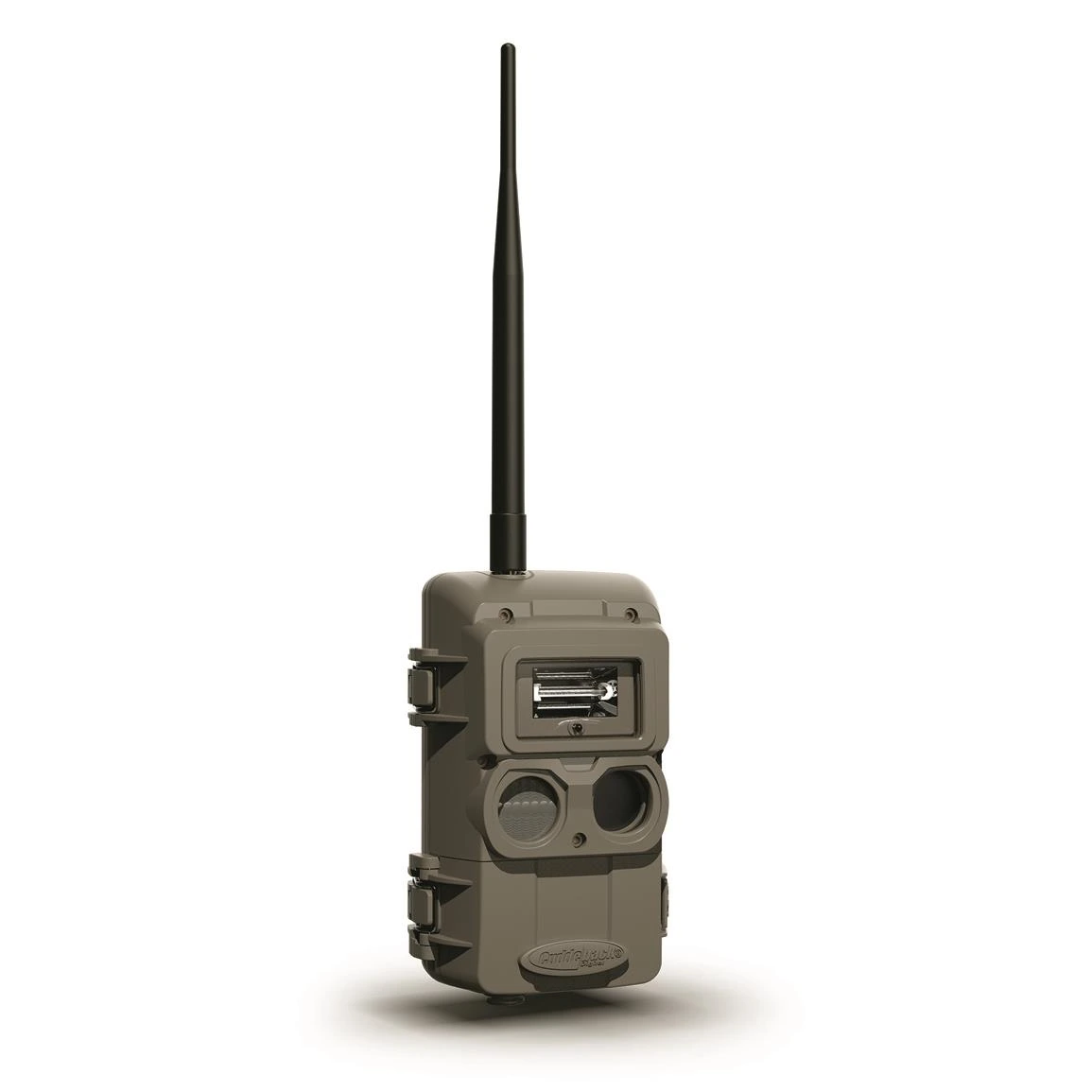
Identify the strobe variant
| Item | Documented information |
|---|---|
| Exact retailer model | LL-1A, item 738063 |
| Illumination | Xenon white strobe |
| Advertised still capture | 20MP; 0.25-second trigger; 75-foot detection |
| Storage | SD cards up to 256GB, per retailer |
| Power | Four D-cell batteries |
| Network | CuddeLink-compatible camera-to-camera system |
| Video | Retailer lists photo capture; video resolution not specified |
These are retailer-documented specifications, not our measured results. LL-1A is the variant reviewed here. Do not transfer features from an infrared L-series camera or a separate cellular Home device without checking their model codes.
CuddeLink is not Wi-Fi or a cellular modem
The manufacturer's CuddeLink setup documentation describes a proprietary wireless mesh network. Remote cameras send pictures to a Home collection point. That architecture can reduce the number of locations you visit for cards; it does not, by itself, mean the LL-1A sends photographs directly to your phone.
Remote internet delivery is a separate system decision involving a compatible cellular Home arrangement and its service requirements. Before comparing a CuddeLink camera with a standalone cellular model, list every component you need. Count the Home device, remote units, storage, power and any paid service for off-site access.
White flash changes the nighttime question
If you need to distinguish colors after dark, a white-strobe approach belongs on your shortlist. If you primarily need a discreet installation, it may not. Decide which question your camera must answer before treating one flash type as automatically better.
Assess sample images for your intended distance and subject movement, with the capture conditions identified. We do not predict animal reactions from the flash label or claim that every nighttime exposure will freeze movement cleanly. For the wider trade-offs, our night-illumination guide explains why an image's usefulness is more than its advertised range.
Plan and test the network route
Draw the camera positions and the intended Home location before deployment. A direct distance on a map does not show the effect of terrain, vegetation or mounting conditions. Test image arrival from each position and retain a record of which links worked. A camera that records locally but fails to forward an image presents a different problem from a camera that never triggered.
Add the network in manageable steps. Begin with the Home device and one remote, confirm the complete retrieval process, and then expand. This provides a useful reference when a later location performs differently. Avoid promising a network range from open-country marketing figures.
Power, firmware and service access
Four D cells create a different supply routine from cameras using AA trays. Carry the correct approved replacements rather than assuming one battery stock serves every camera. Record the installation date and revisit early enough to learn your site's actual workload.
The official firmware page stresses keeping the network's devices compatible and up to date. Follow the instructions for the exact model and current firmware rather than an old menu screenshot. When a system has several devices, a small change can affect more than one link; keep configuration notes so you can reconstruct a working arrangement.
Who should put it on a shortlist?
LL-1A is most interesting when several nearby observation points, local image collection and a need for color night stills align. Its value is less obvious when you need a single camera with a simple direct-to-app setup or when a visible flash conflicts with your installation goal.
Price the whole system and budget a field session for testing. Ask the seller to confirm the supplied mount, card and regional radio compatibility; do not assume accessories from a different bundle. The buying case becomes stronger when you can explain exactly why strobe capture and a collection network solve your problem.
Straight answers
Frequently asked questions
Is the LL-1A a no-glow camera?
No. The listed LL-1A uses a xenon white strobe. It is a different illumination approach from low-glow or no-glow infrared.
Does CuddeLink mean this camera connects to my home Wi-Fi?
No. CuddeLink is a proprietary camera-to-camera wireless network, rather than ordinary Wi-Fi.
Will an LL-1A send images directly to my phone?
Do not assume direct cellular delivery from this camera. Off-site access requires the appropriate compatible Home setup and service arrangement.
Can I use the advertised radio range to plan every location?
No. Terrain, vegetation and installation affect links. Test image delivery at each intended position.
Sources & verification
Sources checked October 29, 2026. Product revisions, service terms and seller offers can change. Source observations are not our own test results.
- Sportsman's Guide LL-1A exact strobe listing
- Cuddeback setup manual: CuddeLink architecture (older firmware edition)
- Cuddeback current firmware and network guidance
More from the journal